Social Media Engagement Rate Calculator: A Complete Guide to Tracking Success
Social media has become an essential part of modern marketing, helping businesses, influencers, and content creators connect with audiences around the world. However, having thousands of followers does not automatically mean a social media account is successful. The instagram engagement rate calculator real value often lies in how people interact with published content. This is where an engagement rate calculator becomes a useful tool.
An engagement rate calculator helps measure how actively an audience responds to social media posts. By analyzing likes, comments, shares, saves, and other interactions, users can better understand whether their content attracts attention and encourages participation. Whether you manage a personal profile, promote a business, or work as a digital marketer, understanding engagement can help you make smarter content decisions.
What Is an Engagement Rate Calculator?
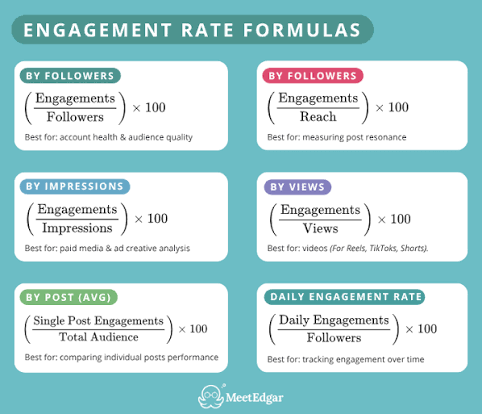
An engagement rate calculator is an online tool that estimates the percentage of people who interact with social media content compared with a selected audience measurement. Depending on the platform and calculation method, that measurement may include followers, impressions, reach, or views.
For example, a creator might have 5,000 followers and receive 250 interactions on a post. By calculating the engagement rate, the creator can determine how effectively the content encourages audience participation.
This information is valuable because follower counts alone do not reveal how interested people are in a profile’s content. An account with a smaller audience may generate more meaningful conversations than a larger account with limited interaction.
An engagement rate calculator simplifies the mathematical process, allowing users to focus on analyzing results and improving their social media strategies.
How Does an Engagement Rate Calculator Work?
Most engagement rate calculators require a few basic details, such as the number of likes, comments, shares, and followers. Some tools also request reach, impressions, or video views.
After entering the relevant information, the calculator applies a formula to estimate the engagement percentage.
A commonly used formula is:
Engagement Rate by Followers = (Total Engagements ÷ Total Followers) × 100
Suppose an Instagram post receives 300 interactions from an account with 6,000 followers.
The calculation would be:
(300 ÷ 6,000) × 100 = 5%
This means the post generated an engagement rate of 5% based on the account’s follower count.
It is important to remember that different calculators may use different formulas. Therefore, users should identify the calculation method before comparing results across accounts or platforms.
Why Is Engagement Rate Important?
Engagement rate provides useful information about how audiences respond to content. It helps marketers evaluate performance beyond simple follower growth.
1. Understand Audience Interest
Likes, comments, shares, and saves can indicate which topics attract attention. When certain posts consistently generate strong engagement, creators can investigate what makes those posts effective.
For example, educational carousels might receive more saves, while short videos generate more shares. These patterns can help shape future content.
2. Evaluate Content Performance
An engagement rate calculator makes it easier to compare the performance of different posts. Instead of relying only on impressions or views, creators can examine whether people take meaningful actions after seeing their content.
This information supports better decisions about formats, topics, captions, and publishing schedules.
3. Support Influencer Marketing
Businesses frequently review engagement when evaluating potential influencer partnerships. A creator’s follower count may look impressive, but audience interaction can offer additional insight into how actively followers respond to recommendations.
Brands should also consider audience relevance, content quality, authenticity, and campaign results before choosing a creator.
4. Improve Marketing Strategies
Regular engagement tracking helps social media managers identify strengths and weaknesses. If engagement declines, they can review recent content, posting frequency, audience preferences, and changes in platform distribution.
The goal is not simply to increase a percentage. It is to create content that supports meaningful communication and business objectives.
Different Types of Engagement Rate Calculations
Engagement can be measured in several ways. Choosing the right method depends on the platform, the available data, and the purpose of the analysis.
Engagement Rate by Followers
This method compares total interactions with the number of followers. It is useful for evaluating posts relative to an account’s existing audience size.
However, not every follower sees every post, so the result does not necessarily represent the percentage of followers who actually viewed the content.
Engagement Rate by Reach
This formula compares interactions with the number of unique accounts reached.
Engagement Rate by Reach = (Total Engagements ÷ Total Reach) × 100
It can help marketers understand how effectively content encourages interaction among people who encountered it.
Engagement Rate by Impressions
Impressions measure how many times content was displayed, including repeat displays to the same person.
Engagement Rate by Impressions = (Total Engagements ÷ Total Impressions) × 100
This method can be useful for analyzing the relationship between content exposure and interaction.
Engagement Rate by Views
For video-focused content, marketers may compare interactions with total video views. This provides another way to assess audience response, although view definitions differ between platforms.
When tracking performance over time, use the same formula consistently to make comparisons more meaningful.
What Is a Good Social Media Engagement Rate?
There is no universal engagement rate that guarantees success. Results vary according to platform, audience size, industry, content format, and calculation method.
Smaller accounts may sometimes achieve higher follower-based engagement because they have closer relationships with their audiences. Larger accounts may reach more people but receive a lower percentage of interactions relative to their follower count.
A useful approach is to compare your results with your own historical performance and relevant industry benchmarks.
For instance, if your account’s engagement rate improves from 2.5% to 3.5% over several weeks, that may indicate progress. However, you should also examine reach, website visits, conversions, and other relevant metrics to determine whether the improvement supports your goals.
Avoid comparing percentages calculated with different formulas, as doing so can produce misleading conclusions.
How to Use an Engagement Rate Calculator Effectively
Using an engagement rate calculator is straightforward, but accurate inputs and consistent tracking are essential.
Follow these steps to get more useful results:
- Choose a social media platform: Identify whether you are measuring Instagram, TikTok, Facebook, LinkedIn, or another network.
- Collect performance data: Record relevant interactions, such as likes, comments, shares, and saves.
- Select the calculation method: Decide whether follower count, reach, impressions, or views best suits your objective.
- Enter the numbers: Add the required information to the calculator.
- Review the percentage: Examine the result and compare it with previous posts or similar content.
- Apply the findings: Identify patterns and use them to improve your content strategy.
For a more reliable analysis, measure several posts instead of judging an entire account based on one unusually successful or unsuccessful publication.
Practical Ways to Improve Engagement Rate
Calculating engagement is only the first step. The next step is using the information to improve content quality and audience relationships.
Create Content Your Audience Values
Understand the questions, interests, and challenges of your target audience. Educational guides, entertaining videos, practical tips, and relevant stories can encourage people to interact when they offer genuine value.
Write Clear and Relevant Captions
Captions should explain the purpose of a post and make the content easier to understand. Asking a relevant question can encourage thoughtful comments, provided the question feels natural rather than forced.
Experiment With Different Formats
Test short videos, image posts, carousels, stories, and live content where appropriate. Track each format’s performance to discover which options work best for your audience and objectives.
Maintain a Consistent Schedule
Publishing regularly helps establish audience expectations. Consistency should not come at the expense of quality, so choose a schedule that allows you to create useful, well-prepared content.
Respond to Comments
Replying to genuine questions and participating in conversations can help build stronger audience relationships. Meaningful interaction also gives creators insight into what their followers care about.
Review Analytics Regularly
Check engagement trends weekly or monthly, depending on your publishing volume. Look for recurring patterns rather than reacting to every short-term fluctuation.
Common Mistakes to Avoid
Although engagement rate is a valuable metric, it should not be treated as the only measure of social media success.
One common mistake is focusing exclusively on likes while ignoring comments, shares, saves, or other actions that matter to the campaign. Another is comparing accounts with different audience sizes without considering their goals and content types.
Some users also confuse engagement with business results. A post can receive many interactions without generating sales, leads, or website visits. Similarly, a campaign designed to increase brand awareness may be successful even when its engagement rate is moderate.
Finally, avoid purchasing artificial engagement. Inauthentic interactions can distort analytics and provide little insight into genuine audience interest.
Conclusion
An engagement rate calculator is a practical tool for understanding social media performance. By measuring interactions relative to followers, reach, impressions, or views, creators and businesses can identify useful patterns and make more informed marketing decisions.
The most effective approach combines consistent measurement with high-quality content, audience understanding, and clear objectives. Rather than chasing a particular percentage, focus on meaningful interactions and the results that matter to your account.
Whether you are a beginner, influencer, small business owner, or experienced marketer, an engagement rate calculator can simplify performance tracking and help you develop a more effective social media strategy over time.