A Complete Guide to Navajo Necklaces
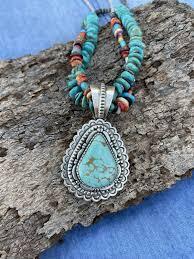
Navajo necklaces are a remarkable expression of Native American artistry, blending cultural significance, craftsmanship, and timeless beauty. Known for their intricate designs, vibrant stones, and symbolic patterns, these necklaces offer more than just aesthetic appeal—they carry centuries of history and meaning. This guide explores the origins, materials, styles, and cultural importance of Navajo necklaces, providing a detailed understanding of why they remain highly sought after today.
Origins and Historical Significance
The Navajo Nation, located in the Southwestern United States, is renowned for its rich tradition of jewelry making. Navajo necklaces have roots dating back to the 17th century when Navajo artisans began integrating silverwork with traditional beadwork. Early necklaces were heavily influenced by Spanish silversmith techniques, which were adapted and transformed into a uniquely Navajo style.
Historically, these necklaces served more than decorative purposes. They were worn during ceremonies, signifying status, wealth, and spiritual beliefs. Certain patterns and stones were believed to protect the wearer, bring good fortune, or convey messages within the community. Understanding these cultural connections enhances appreciation for the artistry and thought behind every piece.
Materials and Craftsmanship
Navajo necklaces are often distinguished by the use of natural materials and meticulous craftsmanship. Silver is a hallmark of Navajo jewelry, with many necklaces featuring sterling silver as the primary metal. Artisans carefully hand-stamp, engrave, and shape each piece, ensuring that no two necklaces are exactly alike.
Turquoise is perhaps the most iconic stone used in Navajo necklaces. Revered for its vibrant blue and green hues, turquoise is considered sacred and is believed to have protective and healing properties. Other stones, such as coral, onyx, and jet, are frequently incorporated to create contrasting colors and textures. Beads, shells, and sometimes even semi-precious stones are combined in complex patterns that highlight the skill and vision of the artisan.
Popular Styles and Designs
Navajo necklaces vary widely in style, each reflecting a distinct aesthetic and cultural significance. Some of the most popular styles include squash blossom necklaces, chokers, and statement pendants.
Squash blossom necklaces are instantly recognizable due to their crescent-shaped naja centerpiece and bead embellishments. The naja, a crescent motif, has roots in ancient Mediterranean designs but was embraced by Navajo artisans as a symbol of protection. These necklaces often feature large turquoise stones set in silver, creating a bold and striking appearance.
Choker-style Navajo necklaces are generally shorter and sit closely around the neck. They can range from simple silver chains with a single stone to elaborate designs incorporating multiple beads and pendants. Chokers are versatile, suitable for both ceremonial use and everyday wear.
Pendant necklaces often focus on a central stone or symbol, allowing the intricate craftsmanship of the pendant to stand out. These necklaces may include symbolic engravings or delicate silverwork, emphasizing the artisan’s attention to detail and storytelling ability.
Symbolism and Cultural Meaning
Beyond their beauty, Navajo necklaces carry deep symbolic meaning. Each stone, shape, and pattern often represents elements of Navajo cosmology, spirituality, and values. Turquoise, for instance, symbolizes health, protection, and positive energy, while coral may represent life and vitality.
The use of symmetry and repetition in designs often reflects balance and harmony, which are central principles in Navajo philosophy. Even the arrangement of beads and stones can convey stories or personal messages, making each necklace a unique narrative of cultural expression.
Understanding these meanings is crucial for collectors and enthusiasts who wish to respect the heritage of Navajo jewelry. Owning a Navajo necklace is not merely about possession but also about honoring the traditions and stories that each piece carries.
Caring for Navajo Necklaces
Proper care is essential to maintain the beauty and integrity of Navajo necklaces. Silver tarnishes over time, so regular cleaning with a soft cloth and gentle silver polish is recommended. Avoid exposing the jewelry to harsh chemicals, excessive moisture, or direct sunlight for extended periods, as these can damage both the metal and stones.
Turquoise and other natural stones are relatively soft and can be scratched or chipped if not handled carefully. Storing necklaces individually in soft pouches or boxes helps prevent tangling and damage. For more elaborate pieces, consulting a professional jeweler for periodic maintenance can ensure longevity and preserve the intricate details that make Navajo necklaces so special.
Collecting and Authenticity
The popularity of Navajo necklaces has led to a growing market, which unfortunately includes imitations and mass-produced items. Authentic Navajo jewelry is handcrafted and often comes with a signature or hallmark from the artisan. When collecting, it is important to verify provenance and craftsmanship.
Collectors often look for signs of hand-stamped silver, genuine stones, and traditional techniques. Purchasing from reputable sources, such as certified Native American art dealers or directly from artisans, ensures authenticity and supports the continuation of Navajo craftsmanship.
Contemporary Influence
While rooted in tradition, Navajo necklaces have also influenced modern fashion and jewelry design. Many contemporary designers draw inspiration from the bold shapes, intricate patterns, and vibrant stones of Navajo jewelry. Celebrities and fashion enthusiasts worldwide have embraced these pieces, further increasing their cultural visibility and appreciation.
Despite modern adaptations, the essence of Navajo necklaces remains intact—celebrating heritage, artistry, and symbolism. Today, these necklaces continue to bridge the gap between historical tradition and contemporary style, making them timeless additions to any collection.
Conclusion
Navajo necklaces are far more than decorative accessories—they are a testament to centuries of craftsmanship, cultural storytelling, and artistic expression. From the rich history of the Navajo Nation to the intricate use of silver and turquoise, every necklace carries layers of meaning and tradition.
Whether worn for ceremonial purposes, fashion, or collection, understanding the origins, materials, and symbolism of Navajo necklaces enhances appreciation for their artistry. By caring for and valuing these pieces, collectors and enthusiasts help preserve a vital cultural legacy that continues to inspire and captivate people around the world.
Navajo necklaces are not just jewelry; they are wearable history, a fusion of beauty and meaning, and a reminder of the enduring talent and vision of Navajo artisans. Each piece invites admiration, respect, and a deeper connection to the stories and traditions of the Navajo people.