Maximizing Structural Strength and Lifespan Using Pultruded Profiles
In modern construction, materials that combine strength, lightweight properties, and longevity are highly sought after. Pultruded profile have emerged as a revolutionary solution in this regard, offering builders and architects a material that significantly enhances durability and performance across various building projects. These profiles, made using the pultrusion process, provide a unique combination of mechanical strength, corrosion resistance, and design flexibility that traditional materials often cannot match.
Understanding Pultruded Profiles
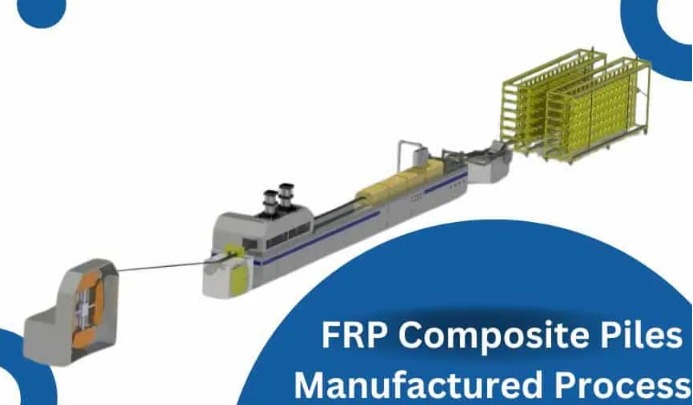
Pultruded profiles are structural components manufactured through a process known as pultrusion. This method involves pulling continuous fibers—such as fiberglass—through a resin bath and then into a heated die, where the composite material takes its final shape. The result is a high-strength, lightweight profile that maintains dimensional stability over time. Unlike conventional construction materials like steel or wood, pultruded profiles resist corrosion, moisture, and chemical exposure, making them ideal for challenging environments.
The versatility of pultruded profiles allows them to be produced in various shapes, sizes, and configurations. From beams and channels to complex custom profiles, the design possibilities are extensive. This flexibility enables architects and engineers to implement innovative building designs without compromising structural integrity.
Durability Advantages of Pultruded Profiles
One of the most significant advantages of using pultruded profiles in building projects is their exceptional durability. These profiles are inherently resistant to corrosion, unlike metals that may rust when exposed to moisture or chemicals. This property makes pultruded profiles particularly suitable for coastal constructions, industrial facilities, and structures exposed to harsh environmental conditions.
Pultruded profiles also demonstrate superior resistance to UV radiation. Over time, many materials degrade due to prolonged exposure to sunlight, leading to structural weakness and aesthetic issues. Pultruded composites, however, retain their strength and appearance, reducing maintenance costs and extending the service life of the building.
Additionally, pultruded profiles have excellent thermal and electrical insulating properties. These characteristics improve energy efficiency and safety in buildings, particularly in structures where temperature control and electrical isolation are critical. The reduced thermal expansion of pultruded profiles further ensures structural stability, minimizing warping or deformation over time.
Enhancing Structural Performance
Beyond durability, pultruded profiles significantly enhance the overall performance of a building’s structural framework. The high strength-to-weight ratio of these profiles allows for lighter yet stronger constructions. Lighter components reduce the load on foundations and supporting structures, which can translate into cost savings during construction. At the same time, the robust nature of pultruded profiles ensures that structures can withstand heavy loads, wind forces, and seismic activity without compromising safety.
Pultruded profiles are also highly customizable in terms of stiffness and load-bearing capacity. By adjusting fiber orientation and resin composition, manufacturers can tailor the mechanical properties to meet specific structural requirements. This adaptability is especially beneficial in large-scale commercial buildings, bridges, and other infrastructure projects where precision engineering is paramount.
Applications in Modern Construction
The use of pultruded profiles spans multiple construction applications. In building facades, these profiles provide strong, lightweight frameworks for cladding, glazing, and architectural elements. Their resistance to corrosion and UV radiation ensures that facades maintain their integrity and aesthetic appeal for decades.
In industrial facilities, pultruded profiles are employed in walkways, ladders, platforms, and handrails due to their durability and low maintenance requirements. Unlike steel, these components do not rust or require frequent protective coatings, saving both time and money in long-term upkeep. Additionally, pultruded profiles are ideal for chemical plants and wastewater treatment facilities because they resist harsh chemicals and moisture.
Pultruded profiles are also finding applications in infrastructure projects such as bridges and highway structures. Their lightweight nature allows for easier handling and installation, reducing construction time. Furthermore, the corrosion resistance of pultruded composites enhances the lifespan of critical infrastructure, ensuring long-term reliability and safety.
Sustainability Benefits
Sustainability is increasingly important in modern construction, and pultruded profiles contribute positively in this regard. These profiles are made from recyclable materials, and their long service life reduces the need for frequent replacements. The energy required for manufacturing pultruded profiles is generally lower than that for producing steel or aluminum, further minimizing the environmental impact.
Moreover, the durability of pultruded profiles translates into fewer maintenance interventions, less material wastage, and reduced lifecycle costs. These environmental and economic advantages make pultruded profiles an attractive choice for eco-conscious architects, engineers, and developers.
Design Flexibility and Aesthetic Appeal
Pultruded profiles offer unparalleled design flexibility in building projects. Because they can be manufactured in a wide range of shapes, sizes, and colors, designers are not limited by traditional construction constraints. This flexibility allows for innovative structural and architectural solutions that combine functionality with aesthetic appeal.
Architects can incorporate pultruded profiles in visible structural elements, such as beams and columns, creating modern, minimalist designs without sacrificing strength. Additionally, the smooth surface finish of pultruded composites reduces the need for additional coatings or treatments, enhancing the overall visual quality of the structure.
Cost-Effectiveness and Long-Term Savings
While the initial cost of pultruded profiles may be higher than some conventional materials, their long-term benefits make them cost-effective. The reduced maintenance requirements, extended service life, and resistance to environmental damage translate into substantial savings over time. Additionally, the lightweight nature of pultruded profiles can lower transportation and installation costs, further improving the return on investment.
By using pultruded profiles, builders and developers can achieve high-performance structures that are durable, safe, and visually appealing while keeping operational and maintenance expenses under control. This combination of performance and economy is a compelling reason for the growing adoption of pultruded profiles in construction.
Conclusion
Pultruded profiles have revolutionized modern construction by providing a material that excels in durability, strength, and versatility. Their resistance to corrosion, UV exposure, chemicals, and moisture makes them ideal for a wide range of building projects, from industrial facilities and bridges to modern architectural structures. Beyond durability, pultruded profiles enhance structural performance, offer design flexibility, and provide long-term economic and environmental benefits.
As the construction industry continues to evolve, pultruded profiles stand out as a solution that meets the growing demand for sustainable, high-performance materials. Incorporating these profiles into building projects ensures not only structural integrity but also aesthetic appeal and long-lasting value. The use of pultruded profiles is not just a choice; it is a forward-thinking investment in the future of resilient and efficient construction.