Comprehensive Tutorial on EPC Process for Small Capacity Biomass Power Plants
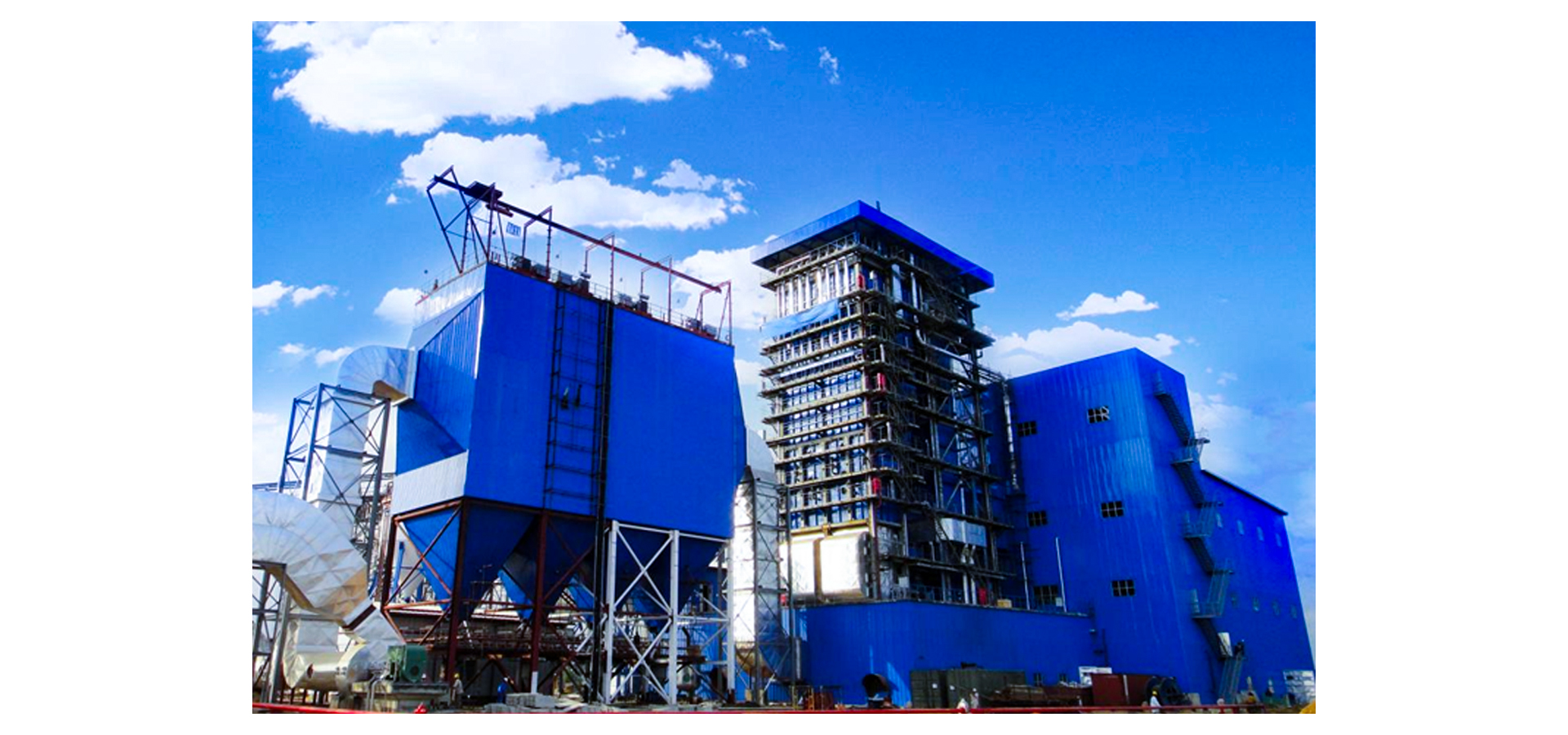
Developing a small capacity biomass power plant EPC involves careful planning, engineering, and execution to ensure efficient energy production and long-term sustainability. Biomass power plants convert organic materials such as wood chips, agricultural residues, and other biodegradable waste into electricity or heat, making them a critical solution for renewable energy development. This tutorial provides a comprehensive guide to the EPC (Engineering, Procurement, and Construction) process for small capacity biomass power plants.
Understanding Small Capacity Biomass Power Plants
A small capacity biomass power plant is designed to generate electricity at a lower scale compared to utility-scale projects, typically ranging from 1 MW to 20 MW. These plants are suitable for rural areas, industrial units, or localized energy grids. The advantages of small capacity biomass power plants include reduced environmental impact, lower operational costs, and the ability to utilize locally available biomass resources.
The EPC model is commonly used for such projects because it allows a single contractor or consortium to handle all aspects of the project—from detailed design to commissioning—ensuring accountability and streamlined project delivery.
Project Planning and Feasibility Study
The first step in the small capacity biomass power plant EPC process is a detailed feasibility study. This involves assessing the availability and quality of biomass feedstock, energy demand in the target area, and financial viability.
Key components of the feasibility study include:
- Biomass Resource Assessment: Determine the types and quantities of biomass available locally. Consistency in feedstock supply is crucial for uninterrupted plant operation.
- Site Selection: Evaluate factors such as land availability, proximity to biomass sources, accessibility, and environmental considerations.
- Financial Analysis: Estimate capital costs, operational expenses, and projected revenue. This includes analyzing government incentives or subsidies for renewable energy projects.
- Regulatory Compliance: Identify permits and licenses required for construction, operation, and emissions standards.
A thorough feasibility study ensures that the plant design aligns with local conditions and economic requirements.
Engineering Design and Layout
Once the feasibility study is complete, the next phase in the small capacity biomass power plant EPC process is engineering design. This phase includes conceptual, detailed, and process design for the plant.
Key aspects of engineering design include:
- Process Flow Diagram (PFD): Illustrates how biomass is converted into energy, including feedstock handling, combustion or gasification, and electricity generation.
- Mechanical Design: Covers boilers, turbines, generators, and associated equipment. Material selection and sizing are optimized for efficiency and durability.
- Civil and Structural Design: Ensures proper foundation, structural support, and layout for all plant components.
- Electrical and Control Systems: Includes the design of switchgear, transformers, and SCADA systems for monitoring and control.
- Environmental Design: Incorporates emission control systems, ash handling, and wastewater treatment.
Engineering design is critical for achieving operational efficiency, safety, and compliance with local and international standards.
Procurement of Equipment and Materials
Procurement is a vital component of the small capacity biomass power plant EPC process. It involves sourcing high-quality equipment and materials needed for construction and operation.
Key steps include:
- Vendor Selection: Identify reliable suppliers for boilers, turbines, generators, and auxiliary equipment.
- Quality Assurance: Verify compliance with technical specifications and standards.
- Logistics Planning: Ensure timely delivery of equipment to the project site, considering transportation and storage requirements.
- Cost Management: Negotiate contracts to achieve the best balance between cost and quality.
Effective procurement minimizes delays and ensures that all components function correctly once installed.
Construction and Installation
Construction marks the physical realization of the small capacity biomass power plant EPC project. This phase involves civil works, mechanical installation, electrical wiring, and integration of all systems.
Key construction activities include:
- Site Preparation: Clearing, leveling, and preparing foundations for major equipment.
- Mechanical Installation: Installing boilers, turbines, generators, and feedstock handling systems.
- Electrical Installation: Wiring, connection to the grid, and installation of control systems.
- Safety Measures: Implementing proper safety protocols for workers and equipment during construction.
- Quality Inspections: Continuous monitoring to ensure adherence to design specifications and standards.
Construction must be managed efficiently to avoid cost overruns and delays, ensuring that the plant is ready for commissioning on schedule.
Commissioning and Testing
Commissioning is the process of starting up the plant and verifying that all systems function correctly. For a small capacity biomass power plant EPC, this step ensures that the plant operates safely, efficiently, and in compliance with regulations.
Key commissioning activities include:
- Equipment Testing: Test individual components such as boilers, turbines, and generators to ensure proper operation.
- System Integration: Confirm that mechanical, electrical, and control systems work together seamlessly.
- Performance Testing: Evaluate the plant’s efficiency, fuel consumption, and emissions under actual operating conditions.
- Training: Train plant operators on proper operation, maintenance, and safety protocols.
Successful commissioning leads to a fully operational biomass power plant capable of delivering reliable energy.
Operation and Maintenance
After commissioning, the plant enters its operational phase. Proper operation and maintenance are essential for maximizing efficiency, extending equipment life, and ensuring sustainability.
Key O&M practices include:
- Routine Maintenance: Regular inspections, cleaning, and replacement of worn components.
- Performance Monitoring: Use SCADA systems to monitor plant performance and detect issues early.
- Fuel Management: Maintain a consistent and high-quality biomass supply.
- Environmental Compliance: Continuously monitor emissions and waste management to comply with regulations.
Well-planned O&M ensures the longevity of the plant and helps maintain profitability over its operational life.
Benefits of EPC Approach for Small Biomass Power Plants
Adopting the EPC model for a small capacity biomass power plant offers several benefits:
- Single-Point Responsibility: One contractor manages the entire project, reducing complexity and risk.
- Cost and Schedule Efficiency: Streamlined project management reduces delays and cost overruns.
- Integrated Design and Construction: Ensures seamless coordination between engineering, procurement, and construction phases.
- Quality Assurance: Standardized processes and checks improve reliability and operational efficiency.
By leveraging the EPC approach, developers can ensure a smooth, predictable, and successful biomass power plant project.
Conclusion
Building a small capacity biomass power plant EPC requires careful planning, precise engineering, and meticulous execution. From feasibility studies to commissioning and operation, each phase plays a critical role in the project’s success. With growing demand for renewable energy and sustainable power solutions, small capacity biomass power plants represent an effective way to provide reliable energy while reducing environmental impact. Following this tutorial ensures that developers, engineers, and operators have a clear roadmap for delivering efficient and sustainable biomass power projects.
A well-executed EPC project not only meets energy demands but also contributes to local economic growth, supports environmental sustainability, and demonstrates the potential of biomass as a renewable energy source.