Ho Chi Minh City 2026 Imported Fruits Guide: Trends, Prices, and Top Choices
Imported Fruits in Ho Chi Minh City have become an essential part of modern urban diets, especially as consumers increasingly focus on health, premium quality, and global food experiences. In 2026, the market for imported fruits continues to expand rapidly, driven by higher incomes, improved cold-chain logistics, and growing demand for diverse flavors. The keyword Trái cây nhập khẩu hcm reflects the strong local interest in foreign fruits across supermarkets, online platforms, and specialty stores in the city.
Ho Chi Minh City has positioned itself as Vietnam’s largest hub for imported fresh produce. From luxury fruit gift boxes to everyday supermarket selections, imported fruits are no longer considered rare items but part of mainstream consumption.
Rising Trends in Imported Fruits in Ho Chi Minh City
One of the strongest trends in 2026 is premiumization. Consumers are willing to pay more for high-quality imported fruits that are certified organic, pesticide-free, or air-flown. Fruits such as Japanese apples, Korean pears, Australian grapes, and U.S. cherries are especially popular among middle and upper-income households.
Another major trend is online purchasing. E-commerce platforms and social media-based fruit sellers have made imported fruits more accessible. Customers can now order Trái cây nhập khẩu hcm directly from digital marketplaces with same-day delivery in central districts.
Health awareness is also shaping demand. Imported fruits are often perceived as cleaner, safer, and more nutrient-rich. This perception has increased consumption of fruits like blueberries, avocados, and kiwis, which are commonly associated with antioxidants and vitamins.
Gift culture is another expanding trend. Imported fruit baskets are widely used for holidays, business gifts, and family celebrations. High-end packaging and curated fruit combinations are becoming common in corporate gifting.
Popular Imported Fruit Varieties in 2026
The Ho Chi Minh City market offers a wide range of imported fruits from different regions around the world.
One of the most in-demand categories is apples, especially varieties from the United States, New Zealand, and Japan. Apples are favored for their long shelf life and consistent quality. Japanese apples are particularly valued for their sweetness and premium appearance.
Grapes are another major favorite. Seedless grapes from Australia, China, and the U.S. dominate supermarket shelves. Their convenience and sweet flavor make them ideal for both children and adults.
Cherries, especially from the U.S. and Canada, remain a luxury fruit category. They are seasonal but highly anticipated each year. Prices are usually high, but demand spikes during holidays.
Korean pears are also widely consumed due to their crisp texture and hydrating properties. They are often included in gift boxes.
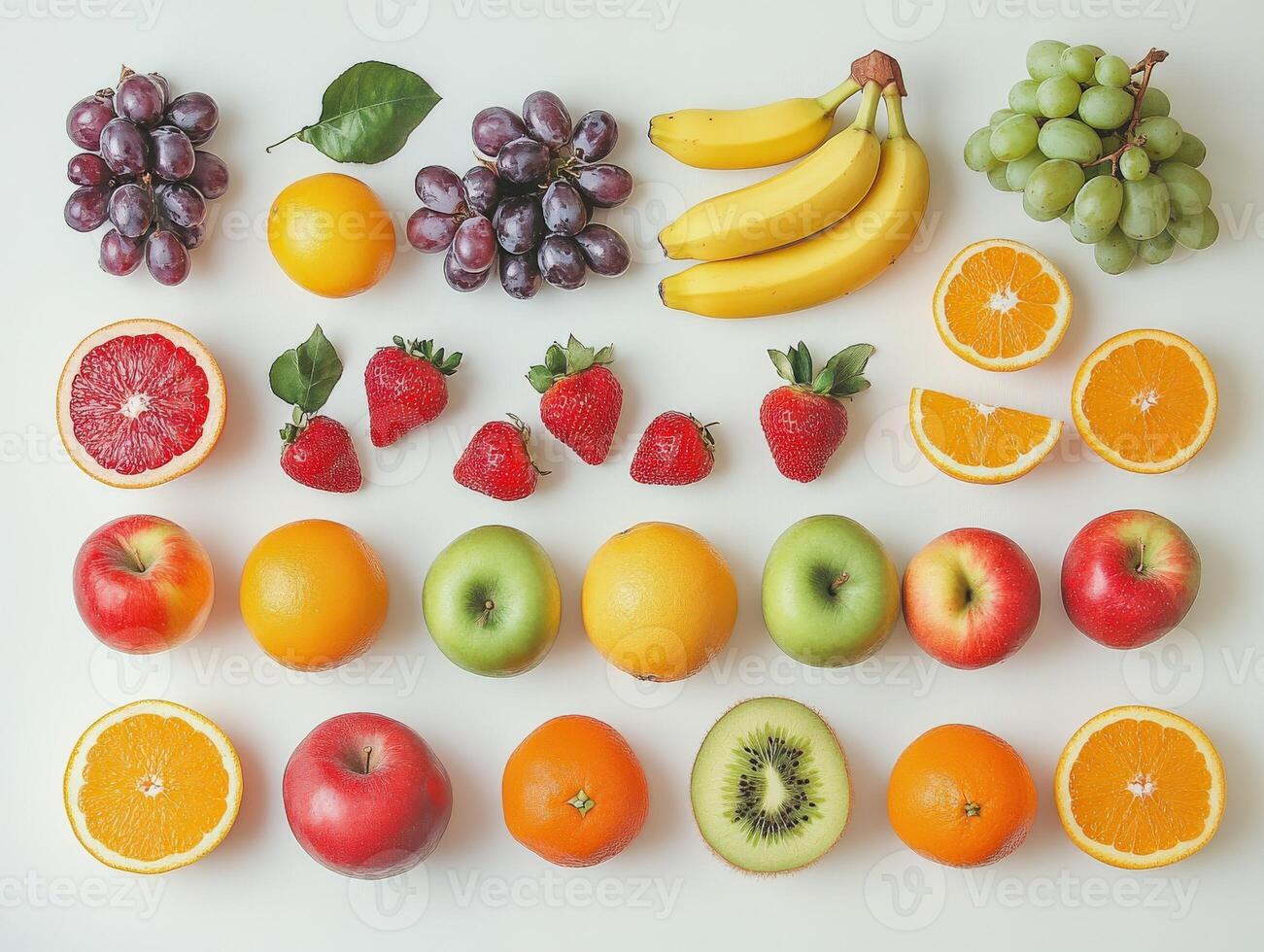
Other popular imports include kiwis from New Zealand, oranges from Australia, strawberries from Korea, and avocados from Peru or Mexico. Each fruit category caters to different consumer preferences, ranging from daily nutrition to luxury consumption.
Price Trends of Imported Fruits in Ho Chi Minh City
Prices of imported fruits in 2026 vary significantly depending on origin, seasonality, and logistics costs. While some fruits have become more affordable due to improved import efficiency, premium fruits still maintain high price points.
For example, apples from the U.S. and New Zealand are relatively stable in price due to large-scale import volumes. However, Japanese apples remain expensive due to limited supply and strict quality control standards.
Grapes have become more competitive in pricing, especially when sourced from China or Australia. Increased supply routes have helped reduce costs for consumers in Ho Chi Minh City.
Cherries remain one of the most expensive imported fruits. Their price is influenced by short harvest seasons and high transportation costs. As a result, cherries are often seen as luxury seasonal treats.
On the more affordable side, fruits like oranges, kiwis, and pears have become more accessible to middle-class consumers. Retailers frequently offer discounts and combo packages to attract regular buyers.
The keyword Trái cây nhập khẩu hcm is often associated with price comparisons, as consumers actively search for the best deals across supermarkets and online shops.
Distribution Channels and Market Growth
Imported fruits in Ho Chi Minh City are distributed through several key channels. Supermarkets remain the most trusted source due to quality assurance and proper storage systems. Chains like premium grocery stores and international food retailers dominate this segment.
Traditional fruit shops also play a strong role, especially in residential neighborhoods. Many of these shops specialize in imported fruits and build loyal customer bases through personalized service.
E-commerce platforms are the fastest-growing channel. Online fruit stores offer convenience, competitive pricing, and fast delivery. This has significantly expanded access to Trái cây nhập khẩu hcm across all districts of the city.
Cold-chain logistics improvements have been crucial in supporting this growth. Better refrigeration during transportation ensures fruits arrive fresh, reducing spoilage and maintaining quality standards.
Consumer Behavior and Preferences
Consumers in Ho Chi Minh City are becoming more selective about imported fruits. They often check origin labels, certifications, and storage conditions before purchasing.
Younger consumers prefer fruits that are convenient and visually appealing, such as seedless grapes and berries. Meanwhile, older consumers tend to focus on health benefits and trust well-established fruit varieties like apples and pears.
Social media also influences buying behavior. Many consumers discover new imported fruits through TikTok, Facebook, and food review pages. This has created viral demand for certain fruit types during specific seasons.
Gift-oriented purchasing behavior is especially strong during Lunar New Year, Christmas, and Mid-Autumn Festival. Imported fruit baskets are often customized with premium packaging and rare fruit combinations.
Challenges in the Imported Fruit Market
Despite strong growth, the imported fruit market in Ho Chi Minh City faces several challenges. Price volatility remains a key issue due to fluctuating exchange rates and shipping costs.
Counterfeit labeling is another concern. Some products may be falsely advertised as imported premium fruits, which affects consumer trust.
Storage and freshness are ongoing challenges for smaller retailers who lack advanced refrigeration systems. Without proper handling, imported fruits can lose quality quickly.
Regulatory compliance also plays an important role. Import standards are strict, and businesses must ensure proper certification and food safety requirements.
Future Outlook for 2026 and Beyond
The future of imported fruits in Ho Chi Minh City looks highly promising. Demand is expected to grow steadily as incomes rise and lifestyles become more health-conscious.
Technology will play a major role in shaping the market. Smart logistics, AI-based inventory management, and improved supply chain tracking will help reduce costs and improve freshness.
Sustainability is also becoming a focus. Eco-friendly packaging and responsible sourcing practices are likely to become more important for both suppliers and consumers.
The keyword Trái cây nhập khẩu hcm will continue to reflect a growing digital search trend as more consumers rely on online platforms to compare prices, discover new fruits, and place orders.
In conclusion, imported fruits have become a permanent and expanding part of Ho Chi Minh City’s food culture. With diverse varieties, improving accessibility, and strong consumer demand, the market is set to continue evolving in 2026 and beyond.