How to Pack Books Efficiently for a Stress-Free Move
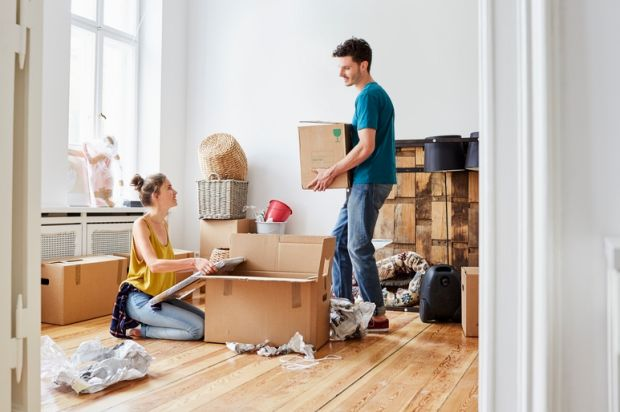
Books are among the heaviest household items to move, and many people underestimate how much planning they require. Whether you own a small collection of novels or an extensive personal library, packing books correctly is essential to prevent damaged covers, torn pages, and overly heavy boxes. Without proper organization, moving hundreds of books can quickly become exhausting and even lead to injuries. Choosing Tetrisflytt Malmö can help make your relocation more efficient by ensuring your belongings are transported safely while you focus on organizing your valuable book collection.
Books may appear durable, but they can easily become damaged by moisture, excessive weight, or poor packing techniques. A well-organized packing strategy protects your collection while making unpacking much easier once you arrive at your new home.
Taking the time to sort, organize, and pack your books correctly also gives you the opportunity to declutter your shelves and create a more organized library in your new living space.
Sort Your Books Before Packing
Moving is an excellent opportunity to review your collection.
Separate books into categories such as:
- Keep
- Donate
- Sell
- Recycle
There’s no reason to pay for transporting books you no longer read or need.
Organize by Category
Grouping books together makes unpacking much easier.
Categories may include:
- Fiction
- Non-fiction
- Children’s books
- Textbooks
- Cookbooks
- Reference books
A simple system helps you rebuild your bookshelves more quickly.
Choose Small Moving Boxes
Books become extremely heavy.
Always use:
- Small cardboard boxes
- Plastic storage bins
- Heavy-duty book boxes
Small containers are much safer to lift than oversized boxes.
Reinforce the Bottom of Each Box
Before packing, strengthen every box using extra packing tape.
Pay special attention to:
- Bottom seams
- Corners
- Edges
Strong boxes reduce the chance of breaking during transportation.
Pack Books Correctly
Books can be packed in several ways.
Place them:
- Standing upright like they sit on a shelf.
- Flat in small stacks.
- Spine down when appropriate.
Avoid packing books with the pages facing downward, as this may damage the bindings.
Fill Empty Spaces
Prevent books from shifting during transportation by filling gaps with:
- Packing paper
- Towels
- Soft clothing
Keeping books tightly packed helps protect their covers.
Protect Valuable Books
Rare or collectible books deserve additional protection.
Wrap them individually using:
- Acid-free paper
- Bubble wrap
- Protective sleeves
Avoid placing valuable books underneath heavier items.
Keep Moisture Away
Water is one of the greatest threats to books.
Protect your collection by:
- Using dry boxes.
- Avoiding damp storage.
- Wrapping valuable books in plastic sleeves if necessary.
Keeping books dry preserves both pages and covers.
Label Every Box
Clearly identify each box.
Examples include:
- Fiction
- Office Library
- Children’s Books
- Fragile Collectibles
Detailed labels simplify unpacking.
Don’t Overfill Boxes
Even small boxes have weight limits.
Avoid making boxes too heavy.
If a box becomes difficult to lift, divide the books into two separate containers.
Pack Bookends Separately
Metal or wooden bookends can damage books if packed together.
Wrap bookends individually before placing them inside separate boxes.
Carry Important Books Personally
Certain books may contain:
- Family records
- Signed editions
- Rare collections
- Personal journals
Consider transporting these items yourself whenever possible.
Store Books Properly After Moving
If you won’t unpack immediately:
Store books:
- Indoors
- Off concrete floors
- Away from moisture
- Out of direct sunlight
Proper storage helps preserve your collection.
Arrange Your New Bookshelves
Before unpacking, decide how you’d like to organize your library.
Options include:
- Alphabetically
- By author
- By genre
- By color
- By size
Planning ahead makes decorating easier.
Inspect Books After Moving
Once unpacked:
Check for:
- Moisture damage
- Bent covers
- Torn pages
- Loose bindings
Address small issues early before they become worse.
Common Packing Mistakes
Avoid these common errors:
- Using oversized boxes.
- Overloading containers.
- Packing wet books.
- Ignoring labels.
- Leaving empty space inside boxes.
- Mixing books with heavy objects.
Proper packing prevents unnecessary damage.
Frequently Asked Questions
What’s the best box size for books?
Small boxes are the safest because books become very heavy when packed together.
Should rare books be wrapped individually?
Yes. Valuable books should receive individual protection using acid-free paper or bubble wrap.
How do I prevent books from shifting?
Fill empty spaces inside the box with packing paper or soft materials.
Can books be stored in a garage?
Only if the garage remains dry and temperature-controlled. Moisture can permanently damage books.
Final Thoughts
Packing books correctly may seem like a small part of the moving process, but it plays an important role in protecting one of the heaviest and often most treasured collections in your home. By organizing your books, choosing small boxes, reinforcing containers, protecting valuable editions, and keeping everything dry, you can move your library safely and efficiently.
Whether you’re relocating a few shelves or an entire personal collection, careful preparation ensures your books arrive in excellent condition and are ready to be enjoyed in your new home. A well-organized move today will make unpacking tomorrow much easier while preserving your favorite books for many years to come.