Boosting Road Visibility: The Crucial Role of Automotive Lighting in Night Driving
Understanding the importance of automotive lighting is essential for ensuring both safety and performance on the road, especially during night driving. Nighttime conditions present unique challenges for drivers, including reduced visibility, limited reaction time, and increased fatigue. Modern automotive lighting systems have evolved significantly to address these issues, providing drivers with better illumination, improved signaling, and enhanced overall driving safety. Automotive lighting manufacturers play a crucial role in developing innovative lighting solutions that optimize visibility and contribute to safer nighttime driving experiences.
The Evolution of Automotive Lighting
Automotive lighting has come a long way since the early days of simple incandescent bulbs. Initially, vehicles relied on basic headlights that offered minimal illumination and limited beam control. Over time, advancements in technology led to the development of halogen, xenon, and LED lighting systems, each providing unique benefits in terms of brightness, energy efficiency, and longevity. Today, automotive lighting manufacturers focus on designing sophisticated systems that combine multiple lighting technologies to achieve optimal performance for night driving.
LED technology, in particular, has revolutionized automotive lighting. Unlike traditional halogen bulbs, LEDs provide brighter, more focused light while consuming less power. They also offer longer lifespan, reduced heat emission, and greater design flexibility. This has allowed manufacturers to create adaptive lighting systems that adjust to driving conditions, improving visibility on dark or winding roads.
The Impact of Nighttime Visibility on Road Safety
Reduced visibility is one of the leading causes of nighttime accidents. Limited light makes it difficult for drivers to detect obstacles, pedestrians, and other vehicles in time to react appropriately. Poor lighting conditions also increase eye strain and fatigue, further compromising safety. Automotive lighting manufacturers are constantly working to address these challenges by developing technologies that enhance driver vision while reducing glare for oncoming traffic.
High-intensity discharge (HID) headlights and LED systems are two examples of solutions that improve visibility without causing discomfort for other drivers. HID headlights produce a bright, white light that closely mimics daylight, allowing drivers to see objects at greater distances. Similarly, advanced LED systems can create dynamic lighting patterns that adapt to the road, vehicle speed, and traffic conditions, offering superior visibility in diverse environments.
Adaptive and Intelligent Lighting Systems
One of the most significant innovations in automotive lighting is the introduction of adaptive and intelligent systems. These systems use sensors, cameras, and advanced algorithms to adjust lighting patterns based on real-time driving conditions. For example, adaptive headlights can swivel in the direction of a curve, illuminating the road ahead and improving visibility around corners. This feature is especially valuable on rural or poorly lit roads where fixed beams may not provide adequate coverage.
Intelligent lighting systems also include features such as automatic high beam control, which switches between high and low beams based on the presence of oncoming vehicles. This ensures that drivers have maximum visibility without causing glare or discomfort for other road users. Automotive lighting manufacturers are increasingly integrating these smart technologies into vehicles, setting new standards for night driving safety.
The Role of Daytime Running Lights and Auxiliary Lighting
While the focus is often on nighttime illumination, daytime running lights (DRLs) and auxiliary lighting also play a vital role in overall vehicle visibility. DRLs improve vehicle conspicuity during low-light conditions, such as early mornings or overcast days, reducing the risk of collisions. Auxiliary lighting, including fog lights and cornering lights, enhances visibility in specific scenarios where standard headlights may be insufficient.
Fog lights, for example, are designed to project a wide, low beam that reduces glare and improves vision in foggy or rainy conditions. Cornering lights activate when the steering wheel is turned, providing targeted illumination in the direction of travel. These innovations reflect the ongoing efforts of automotive lighting manufacturers to address diverse driving scenarios and ensure that drivers have reliable visibility at all times.
Design and Aesthetic Considerations
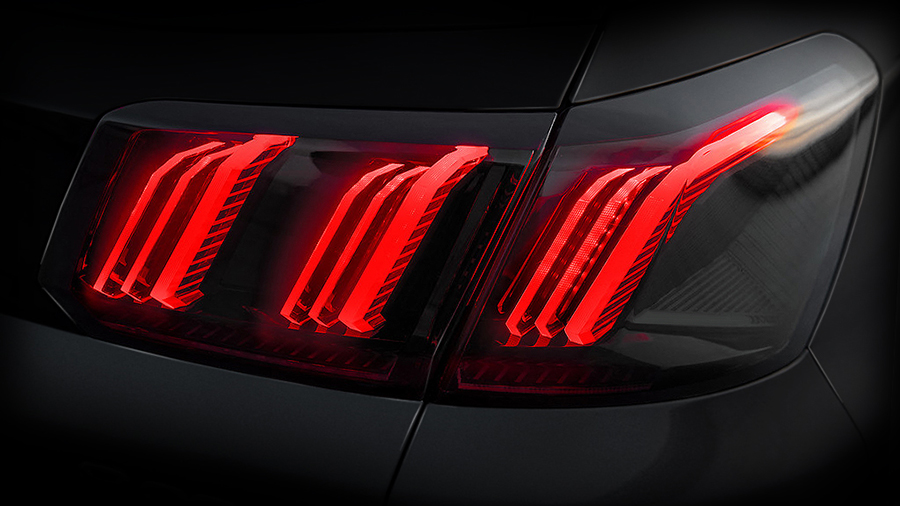
Beyond functionality, automotive lighting also contributes to vehicle design and aesthetics. Modern headlight and taillight designs are often integral elements of a vehicle’s visual identity. Automotive lighting manufacturers leverage LED technology and advanced optics to create unique lighting signatures that enhance the overall appeal of the vehicle while maintaining safety standards.
Dynamic lighting features, such as sequential turn signals and customizable ambient lighting, are becoming increasingly popular. These design elements not only improve communication between drivers and road users but also add a modern, stylish touch to vehicles. Manufacturers balance aesthetic innovation with performance requirements, ensuring that lighting systems remain both visually striking and highly functional.
Maintenance and Longevity of Automotive Lighting Systems
Ensuring optimal performance of automotive lighting systems requires proper maintenance and care. Regular inspection of headlights, taillights, and auxiliary lights is essential to identify dimming, damage, or misalignment. Automotive lighting manufacturers provide guidelines for maintaining and replacing lighting components, emphasizing the importance of using high-quality parts to preserve visibility and safety.
LED systems, while long-lasting, may still require occasional cleaning or alignment adjustments to maintain optimal performance. Additionally, vehicle owners should be aware of the environmental conditions that can impact lighting effectiveness, such as dust, moisture, and extreme temperatures. By following maintenance best practices recommended by automotive lighting manufacturers, drivers can ensure reliable illumination and minimize the risk of nighttime accidents.
Future Trends in Automotive Lighting
The future of automotive lighting promises even greater enhancements for night driving. Innovations such as laser headlights, matrix LED systems, and augmented reality lighting are on the horizon. Laser headlights offer exceptionally long-range illumination with minimal power consumption, while matrix LED systems provide precise control over individual light segments to avoid dazzling other drivers. Augmented reality lighting could project navigation cues or hazard warnings directly onto the road, further improving driver awareness and safety.
Automotive lighting manufacturers continue to invest in research and development, aiming to integrate these cutting-edge technologies into mainstream vehicles. The convergence of lighting, sensor, and connectivity technologies will redefine night driving, making it safer, more efficient, and more enjoyable for drivers around the world.
Conclusion
Automotive lighting plays a critical role in enhancing visibility and safety during night driving. Advances in LED technology, adaptive lighting systems, and intelligent controls have significantly improved driver vision, reduced fatigue, and minimized accident risks. Automotive lighting manufacturers are at the forefront of this evolution, developing innovative solutions that combine functionality, safety, and design. As technology continues to progress, night driving will become safer and more comfortable, thanks to lighting systems that are smarter, more efficient, and better tailored to the demands of modern roadways.
The ongoing collaboration between engineers, designers, and automotive lighting manufacturers ensures that vehicles are equipped with cutting-edge lighting solutions that protect drivers and enhance the driving experience. With continuous innovation, the future of automotive lighting promises brighter, safer, and more visually striking roads for all.