High-Efficiency Compact Cores: Shaping the Next Generation of Inverter Power Supply Design
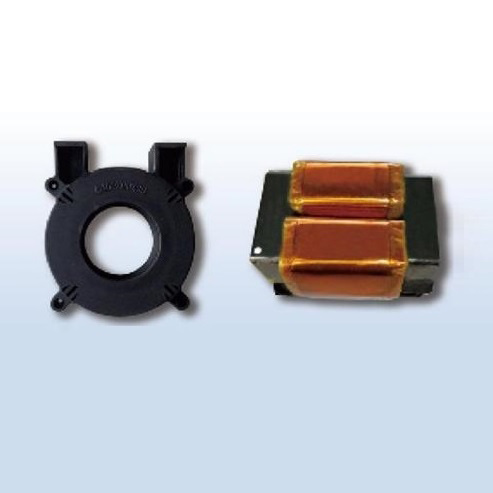
In the rapidly evolving world of power electronics, the demand for compact, energy-efficient, and high-performance inverter power supplies has never been higher. As industries and consumers alike push for devices that are smaller, lighter, and more reliable, engineers are turning to innovative solutions in magnetic components. Among these, compact high-frequency cores have emerged as a transformative element in inverter power supply design, promising efficiency, reliability, and scalability retail inverter power supply high-frequency transformer core.
The Role of High-Frequency Transformer Cores in Inverter Power Supplies
At the heart of every inverter power supply lies the high-frequency transformer core. This component is responsible for converting electrical energy from one voltage level to another, enabling devices to operate efficiently while minimizing energy loss. Unlike traditional low-frequency transformers, high-frequency transformer cores operate at much higher switching frequencies, typically ranging from tens of kilohertz to several megahertz.
The advantages of operating at high frequencies are significant. Higher frequency operation allows for reduced transformer size, which directly impacts the compactness of the inverter power supply. This makes high-frequency cores particularly attractive for applications in retail inverter power supply units where space is limited and efficiency is critical. Additionally, high-frequency operation improves dynamic response, making power supplies more adaptable to varying load conditions without compromising stability.
Compact Design: Meeting Modern Space Constraints
One of the most compelling reasons for adopting compact high-frequency cores is the growing need for smaller, more portable power supplies. Traditional transformer designs often require bulky cores and extensive winding space to handle similar power levels at lower frequencies. High-frequency cores, however, can deliver the same or even greater power transfer in a fraction of the size.
This compactness is not merely a matter of convenience; it has practical implications for retail inverter power supply manufacturing. Smaller units mean reduced material costs, easier integration into consumer electronics, and enhanced thermal management. By minimizing the volume of the core and associated windings, designers can achieve better heat dissipation, which translates to longer component life and more reliable operation in diverse environments.
Material Innovation in High-Frequency Cores
The performance of a high-frequency transformer core is largely determined by the materials used. Traditional iron cores, while effective at low frequencies, suffer from high eddy current and hysteresis losses when used at high switching frequencies. To overcome these limitations, engineers have developed specialized magnetic materials such as ferrites and nanocrystalline alloys.
Ferrite cores are particularly popular in compact high-frequency designs due to their low core loss at high frequencies and excellent thermal stability. They allow inverter power supplies to maintain high efficiency without significant size increases. Nanocrystalline cores, on the other hand, offer even lower losses and higher magnetic permeability, making them suitable for high-power inverter applications where efficiency and thermal performance are paramount.
By selecting the right core material, designers can optimize the performance of retail inverter power supply units, achieving a balance between efficiency, size, and cost. Advanced material engineering also opens the door for innovative core geometries, further enhancing compactness and reducing leakage inductance.
Efficiency and Energy Savings
Efficiency is a critical metric for modern inverter power supplies, especially in retail applications where units operate continuously or under varying loads. Compact high-frequency cores contribute significantly to efficiency improvements. By reducing core and copper losses, these cores allow more of the input energy to be delivered to the load rather than being wasted as heat.
This efficiency not only reduces operational costs but also contributes to sustainability goals. With global energy consumption on the rise, even small gains in inverter power supply efficiency can translate into significant reductions in energy usage over time. For retail environments, where multiple inverter units may be operating simultaneously, these savings are particularly meaningful.
Moreover, the improved efficiency of high-frequency cores allows designers to implement smaller heat sinks or eliminate them altogether in certain low-power applications. This further reduces the size and weight of the inverter power supply, aligning with modern trends in portable and compact electronics.
Thermal Management and Reliability
Thermal performance is a key consideration in inverter power supply design. Excessive heat can degrade components, reduce lifespan, and compromise safety. Compact high-frequency cores help mitigate these challenges through better thermal characteristics.
High-frequency operation distributes losses more evenly across the core material, and modern ferrite or nanocrystalline cores generate less heat for the same power transfer compared to conventional cores. This allows inverter power supplies to operate at higher densities without the risk of overheating. Improved thermal management also simplifies system design, as smaller enclosures and less elaborate cooling mechanisms are needed.
Reliability is closely tied to thermal performance. By reducing core losses and improving heat dissipation, compact high-frequency cores enhance the durability of inverter power supplies. This is particularly important in retail environments where products must meet rigorous standards for continuous operation, safety, and longevity.
Applications in Retail Inverter Power Supplies
Retail inverter power supply units are used in a wide range of applications, from point-of-sale systems and consumer electronics to renewable energy systems and small industrial equipment. In these contexts, compact high-frequency cores provide distinct advantages.
For consumer devices, the compact size and lightweight nature of high-frequency cores allow for sleeker, more portable designs. In renewable energy systems, high-efficiency inverter power supplies contribute to better energy conversion from solar panels or wind turbines, maximizing the utility of clean energy sources. In industrial or commercial settings, improved reliability and thermal management reduce downtime and maintenance costs, ensuring uninterrupted operation of critical systems.
The versatility of compact high-frequency cores makes them a cornerstone for future inverter power supply designs across sectors. Manufacturers can standardize core materials and geometries to streamline production while maintaining high performance and efficiency.
Future Trends and Innovation
The future of inverter power supply design is closely linked to ongoing innovation in compact high-frequency cores. Research in advanced magnetic materials, such as amorphous alloys and composite ferrites, promises further reductions in core loss and improvements in thermal performance. Emerging core geometries and winding techniques may also enhance power density and minimize electromagnetic interference, expanding the design possibilities for retail inverter power supply units.
Additionally, as the adoption of electric vehicles, renewable energy systems, and portable electronics accelerates, demand for compact, high-efficiency inverter power supplies will continue to rise. Manufacturers that embrace high-frequency core technology will be well-positioned to meet these demands while maintaining cost-effectiveness and product reliability.
Conclusion
Compact high-frequency cores represent a pivotal advancement in inverter power supply design. By enabling smaller, lighter, and more efficient units, they address the modern challenges of energy efficiency, thermal management, and reliability. The careful selection of core materials, combined with innovative design approaches, allows engineers to optimize retail inverter power supply units for both performance and practicality.
As industries continue to demand higher efficiency and compactness, the adoption of high-frequency transformer cores will only increase. These cores are not just a technological improvement—they are a foundational element for the future of inverter power supply design, enabling products that are more efficient, reliable, and adaptable than ever before.
For manufacturers and designers, understanding the role of compact high-frequency cores is essential to stay ahead in a competitive market. By integrating these advanced cores into retail inverter power supply units, they can create next-generation products that meet the evolving expectations of consumers and industry alike, paving the way for a more energy-efficient and technologically advanced future.