Smart Ways to Perform Roof Repairs Safely
Roof maintenance is crucial for protecting your home from the elements and ensuring its structural integrity. When it comes to roof repairs, knowing the best methods can save you time, money, and future headaches. Whether your roof has minor damage or more significant issues, choosing the right approach ensures durability and efficiency. This guide explores the top strategies for effective roof repairs and offers tips to maintain a safe and long-lasting roof.
Identifying the Type of Roof Damage
Before starting any roof repairs, it’s essential to identify the type and extent of damage. Roof issues can range from small leaks and missing shingles to structural problems caused by storms or aging. Inspecting your roof thoroughly allows you to determine the most appropriate repair method. Common signs of roof damage include water stains on ceilings, cracked or curled shingles, missing granules, and sagging areas. For flat roofs, look for ponding water or cracks in the membrane. Proper assessment helps prevent temporary fixes from turning into recurring problems.
Minor Repairs with Sealants and Patching
For small leaks and minor damage, using sealants and patches is one of the simplest roof repairs methods. Roof sealants are applied to cracks, holes, or seams to prevent water penetration. Patching involves placing a piece of roofing material over the damaged area and securing it with adhesive or fasteners. This method works well for asphalt shingles, metal roofs, and flat roofs with membrane coverings. While these repairs are relatively inexpensive and quick, they are often temporary solutions, especially if the roof is old or extensively damaged. Regular inspection ensures the patched areas remain effective.
Replacing Damaged Shingles
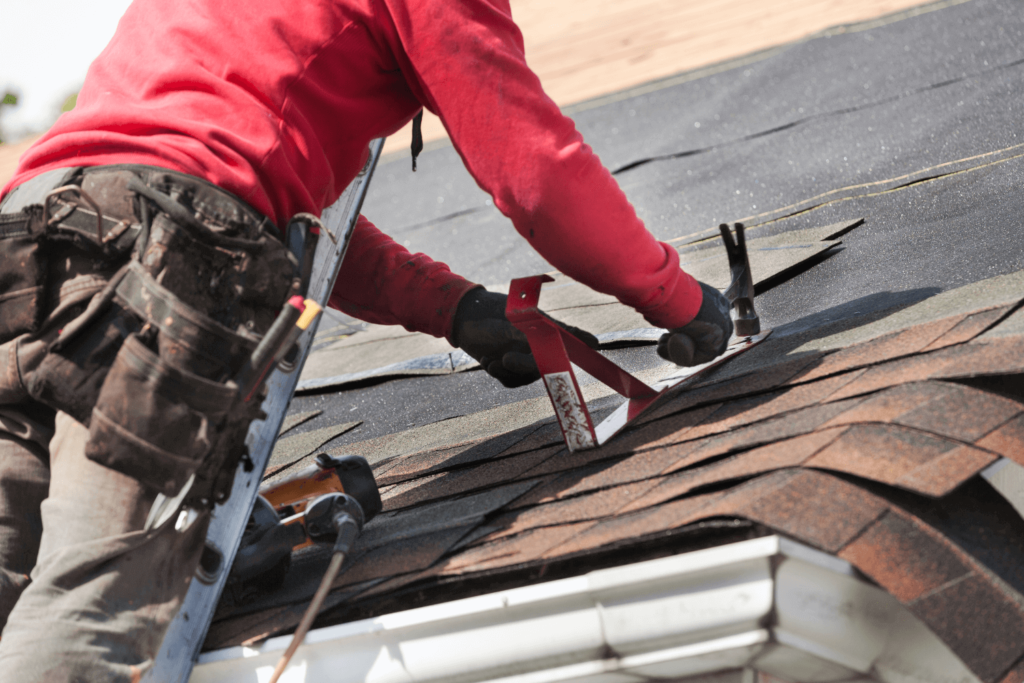
Replacing damaged or missing shingles is a common method for roof repairs, particularly on asphalt or composite shingle roofs. Shingles protect the underlying structure, so replacing broken pieces prevents leaks and further deterioration. Begin by carefully removing the damaged shingles and cleaning the area. Install new shingles with roofing nails and seal them with roofing cement to ensure a watertight bond. Matching the new shingles with existing ones can improve the aesthetic appeal of your roof while maintaining its protective function. This method is highly effective for localized damage and extends the lifespan of the roof without a full replacement.
Metal Roof Repairs
Metal roofs are durable but can still require repairs due to rust, loose fasteners, or punctures. One of the best methods for metal roof repairs is using specialized metal sealants and screws to secure loose panels. Rusted areas may need sanding, priming, and recoating with protective paint to prevent further corrosion. For holes or punctures, cutting a metal patch to fit over the damaged area and sealing it with a waterproof adhesive ensures a long-lasting fix. Regular maintenance, including cleaning debris and checking for loose seams, enhances the effectiveness of metal roof repairs.
Flat Roof Repairs
Flat roofs require unique methods for repairs due to their minimal slope and susceptibility to water pooling. For minor leaks, liquid roofing products like elastomeric coatings provide a seamless barrier against moisture. For more significant issues, applying a patch of compatible roofing material over the damaged section is effective. In cases where the flat roof membrane has multiple leaks or extensive wear, a partial or complete re-roofing may be necessary. Proper drainage and regular inspections prevent common flat roof problems and reduce the need for frequent repairs.
Roof Ventilation and Flashing Repair
Damaged flashing and poor roof ventilation are often overlooked but critical areas for roof repairs. Flashing around chimneys, vents, and skylights prevents water from seeping into the structure. Replacing old or bent flashing with new metal sheets and sealing the edges can prevent leaks. Similarly, ensuring adequate ventilation reduces moisture buildup in the attic, which can compromise roofing materials. Repairing or installing ridge vents, soffit vents, or gable vents improves airflow and prolongs the effectiveness of other roof repairs.
Emergency Roof Repairs
Sometimes roof repairs need to be immediate due to storm damage or severe leaks. Temporary solutions like tarps, waterproof membranes, or quick-setting sealants can protect your home until professional repairs are possible. Emergency roof repairs focus on stopping water intrusion and preventing further damage to interior areas. While these measures are short-term, they are critical for mitigating costly structural repairs. Planning for emergencies by keeping essential materials on hand can save homeowners stress and expense during unexpected roof damage.
When to Hire a Professional
While many roof repairs can be handled by experienced DIYers, certain situations require professional attention. Extensive damage, structural issues, or complex roofing systems like slate, tile, or multi-layered roofs are best repaired by certified roofing contractors. Professionals have the knowledge, tools, and safety equipment to perform repairs efficiently and ensure compliance with local building codes. Hiring a qualified contractor for roof repairs guarantees a long-lasting solution and reduces the risk of future problems.
Preventive Maintenance for Roof Longevity
The best way to minimize roof repairs is through preventive maintenance. Regular inspections, cleaning gutters, trimming overhanging branches, and checking for early signs of wear help catch problems before they escalate. Applying protective coatings, ensuring proper attic ventilation, and addressing small leaks promptly significantly reduce the frequency and cost of roof repairs. Proactive maintenance extends the lifespan of roofing materials and protects the home from water damage, mold growth, and structural issues.
Conclusion
Understanding the best methods for roof repairs ensures your home remains safe and well-protected. From minor patching and shingle replacement to specialized metal and flat roof repairs, selecting the right approach depends on the type and severity of damage. Maintaining proper flashing, ventilation, and preventive measures further enhances roof longevity. While DIY repairs are possible for small issues, professional roof repairs are recommended for extensive or complicated problems. Investing in the right repair methods saves money, prevents future damage, and keeps your roof in excellent condition for years to come.
This comprehensive approach ensures that any homeowner can tackle roof repairs effectively, preserving the safety and value of their property. By combining regular maintenance with timely interventions, you can enjoy a durable and resilient roof for decades.