Laser Scar Removal: Types of Scars, Treatment Options, and Results
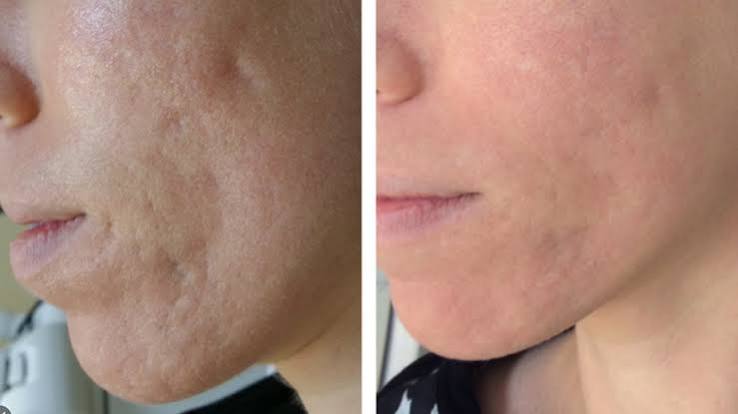
Scars are a natural part of the skin’s healing process, but they can sometimes remain noticeable long after an injury, surgery, acne breakout, or other skin condition Laser Scar Removal has healed. Depending on their type, size, location, and age, scars may affect the texture and appearance of the skin. Laser Scar Removal has become a popular treatment option for improving the appearance of many different types of scars. Modern laser technologies can help smooth uneven skin texture, reduce discoloration, and make scars less noticeable over time.
Understanding Different Types of Scars
Before choosing a treatment, it is important to understand what type of scar you have. Different scars develop in different ways and may respond differently to laser treatment.
Atrophic Scars
Atrophic scars are depressed areas in the skin caused by a loss of collagen during the healing process. They are commonly associated with acne, chickenpox, or certain injuries. Ice-pick, boxcar, and rolling scars are common examples. Laser treatments may help stimulate collagen production and gradually improve the texture of these depressed scars.
Hypertrophic Scars
Hypertrophic scars are raised scars that remain within the boundaries of the original wound. They can develop after surgery, burns, injuries, or other skin trauma. Certain laser treatments may help soften their appearance and improve redness and texture. Treatment selection depends on the size and characteristics of the scar.
Keloid Scars
Keloids are raised scars that extend beyond the original area of an injury. They can continue growing and may require specialized medical care. Laser treatment may sometimes be included as part of a broader treatment plan, but it is not appropriate for every keloid. A qualified dermatologist should evaluate these scars before treatment.
Surgical and Injury Scars
Surgical scars can vary considerably depending on the procedure, wound location, and individual healing process. Laser procedures may help improve the color, texture, and visibility of some mature surgical scars. Similarly, scars caused by accidents or other injuries may benefit from carefully selected laser treatments.
How Laser Scar Removal Works
Laser Scar Removal uses controlled beams of light to target specific characteristics of scar tissue. Depending on the technology used, the laser may remove microscopic portions of damaged skin or heat the deeper layers to encourage natural collagen remodeling.
Ablative lasers work by removing controlled layers of the skin, while non-ablative lasers generally work beneath the surface without removing the outer layer. Fractional laser technology treats microscopic columns of skin while leaving surrounding tissue intact, which can support the skin’s natural healing process.
As new collagen develops, the treated area may gradually become smoother and more even. Some lasers can also target redness or pigmentation associated with scars.
Common Laser Treatment Options
Several laser technologies may be considered for scar improvement. The appropriate choice depends on the scar type, skin characteristics, treatment goals, and medical history.
Fractional Laser Treatments
Fractional lasers are widely used for improving uneven texture and certain depressed scars. They create microscopic treatment zones in the skin, encouraging collagen production and remodeling. Multiple sessions may be recommended to achieve gradual improvement.
CO2 Laser
Fractional carbon dioxide, or CO2, lasers are ablative treatments that can provide significant resurfacing. They may be considered for deeper acne scars and other textural irregularities. Because the treatment can be more intensive, recovery time may be longer than with some non-ablative options.
Erbium Laser
Erbium lasers can resurface the skin with controlled precision. They may be used for certain superficial and moderate scars and can sometimes involve less recovery than stronger CO2 resurfacing, depending on the treatment settings.
Pulsed Dye Laser
Pulsed dye lasers primarily target blood vessels and may be useful for scars that remain red or visibly vascular. Instead of mainly resurfacing the skin’s texture, this approach focuses on reducing unwanted redness.
Non-Ablative Lasers
Non-ablative laser treatments heat deeper layers of the skin while leaving the surface relatively intact. They can encourage collagen production and may involve less downtime. However, several sessions are often needed, and results tend to develop gradually.
What to Expect During Treatment
Before treatment, a dermatologist or qualified laser professional should examine the scar and discuss your goals. They may consider the scar’s type, age, location, color, thickness, and texture before recommending an approach.
During a laser procedure, the skin may be cleansed and a numbing cream or other comfort measure may be used when appropriate. The laser device is then passed over the treatment area. Depending on the technology and treatment intensity, patients may experience warmth, tingling, or temporary discomfort.
The length of a session varies according to the size of the area and the type of laser being used. Protective measures are also important during treatment to reduce risks to the eyes and surrounding skin.
Recovery and Aftercare
After laser treatment, temporary redness, swelling, sensitivity, dryness, or peeling may occur. Recovery depends heavily on the laser technology and treatment intensity. More aggressive resurfacing generally requires more downtime.
Following aftercare instructions is an important part of achieving good results. Patients may be advised to keep the treated area clean and moisturized, avoid unnecessary sun exposure, and use appropriate sunscreen. Picking or scratching the treated skin should also be avoided because it can interfere with healing.
A healthcare professional should provide individualized aftercare instructions, especially after stronger resurfacing procedures.
Expected Results
Laser Scar Removal generally aims to make scars less noticeable rather than completely erase them. Results vary from person to person and depend on the type and depth of the scar, the laser used, skin characteristics, and the number of treatments performed.
Some people notice changes after an initial session, while others need several treatments before seeing meaningful improvement. Collagen remodeling can continue for weeks or months after treatment, so final results may develop gradually.
For deeper scars, laser treatment may sometimes be combined with other approaches, such as microneedling, chemical treatments, injections, or surgical techniques. A professional evaluation can help determine whether combination treatment is appropriate.
Choosing the Right Treatment
There is no single laser treatment that works best for every scar. A qualified dermatologist can assess the skin and recommend a treatment plan based on the scar’s characteristics and the patient’s individual needs.
People with darker skin tones may require particularly careful treatment planning because some laser procedures can cause temporary or, less commonly, longer-lasting changes in pigmentation. Discussing previous skin reactions, medications, and medical conditions with a qualified professional is important before treatment.
Final Thoughts
Laser Scar Removal can be an effective way to improve the appearance of certain scars by addressing uneven texture, redness, and pigmentation while encouraging collagen remodeling. Treatments range from fractional and non-ablative lasers to more intensive resurfacing options. The best choice depends on the individual scar and the condition of the surrounding skin.
Although laser treatment cannot guarantee complete scar removal, carefully planned treatment can make many scars smoother, more even, and less noticeable. A consultation with a qualified dermatologist or laser treatment professional is the best way to understand which option may be suitable and what results can realistically be expected.