Tuning Parts Buying Guide: What to Look For
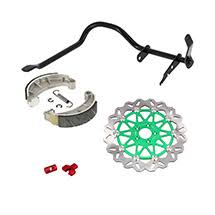
Choosing the right tuning parts can transform the appearance, performance, handling, and overall personality of your vehicle. Whether you want a more aggressive tuning parts exterior, improved driving performance, or a completely customized look, selecting quality components is essential. With countless products available for different makes and models, buying the right parts can sometimes feel overwhelming.
A good buying decision starts with understanding your vehicle, defining your goals, checking compatibility, and choosing products from reliable sources. This guide explains the most important factors to consider before purchasing tuning parts for your car.
Understand Your Tuning Goals
Before buying anything, decide what you want to achieve with your vehicle. Tuning can focus on appearance, performance, handling, comfort, or a combination of these areas.
If your main goal is appearance, you may consider bodykits, custom wheels, bumpers, grilles, spoilers, side skirts, or other exterior upgrades. These components can give your car a distinctive and sportier appearance.
For performance-focused modifications, you might look at suspension components, exhaust systems, intake upgrades, brakes, or other performance-oriented equipment. Knowing your objective makes it easier to choose products that provide meaningful improvements instead of spending money on parts that do not match your needs.
Check Vehicle Compatibility
One of the most important things to consider when purchasing tuning parts is compatibility. A product designed for one vehicle may not fit another, even when the cars look similar.
Always check the vehicle’s make, model, year, engine type, and trim level before ordering. Some products are specifically designed for certain generations or body styles. Small differences between model years can affect mounting points, dimensions, electrical connections, or other installation requirements.
When shopping online, carefully read the product specifications and fitment information. If the information is unclear, contact the seller before placing an order. Confirming compatibility in advance can prevent expensive returns and installation problems.
Focus on Build Quality
Quality should always be a priority when selecting tuning parts. A low-priced product may seem attractive initially, but poor materials and manufacturing can lead to fitting problems, premature damage, or an unsatisfactory appearance.
For exterior components such as bodykits, bumpers, and grilles, inspect the material, finish, construction, and overall design. For performance components, consider the quality of the materials and how well the product is engineered for its intended application.
Premium tuning parts generally provide better durability and fitment. While high-quality products may cost more, they can offer better long-term value and reduce the need for replacement or modification.
Consider Fitment and Installation
Fitment is especially important for exterior modifications. A bodykit or bumper should align correctly with the vehicle’s original panels and mounting points. Poorly fitting parts can create visible gaps and may require extensive adjustment before they can be installed properly.
Some tuning parts are designed for relatively straightforward installation, while others may require professional equipment and specialized knowledge. Before purchasing, determine whether the product is suitable for a DIY installation or whether you will need assistance from an experienced technician or body shop.
Remember to include installation costs in your overall budget. A seemingly affordable product can become much more expensive if it requires significant modifications during installation.
Choose the Right Material
Tuning parts are manufactured using a variety of materials, and each has different characteristics. Body components may be available in materials such as ABS plastic, fiberglass, polyurethane, or carbon fiber.
Different materials offer different combinations of weight, flexibility, strength, finish, and cost. For example, some materials may be easier to repair or adjust, while others can provide a premium appearance and reduced weight.
When choosing a product, consider where it will be installed and how the vehicle will be used. A daily-driven car may require different material characteristics than a vehicle primarily built for shows or track use.
Think About Your Budget
Creating a realistic budget before shopping can help you make better decisions. The purchase price is only one part of the total cost. Installation, painting, preparation, shipping, maintenance, and additional hardware can all increase the final expense.
Instead of automatically choosing the cheapest option, compare products based on overall value. A well-made component with accurate fitment may save money in the long term because it requires less adjustment and is more likely to remain in good condition.
It is also useful to prioritize upgrades. Start with the components that have the greatest impact on your goals, then add other modifications gradually.
Research the Brand and Seller
The reputation of the manufacturer and seller can tell you a lot about a product. Before purchasing tuning parts, research customer reviews, product photographs, warranty information, return policies, and company details.
Look for sellers that provide clear specifications and accurate fitment information. Reviews can also reveal common issues that may not be obvious from a product description.
A reliable seller should be willing to answer questions about compatibility, materials, installation, and shipping. Good customer support can make the buying process much easier, particularly when purchasing specialized components.
Consider the Overall Vehicle Design
When installing multiple tuning parts, think about how they will work together visually. A single aggressive component may look out of place if the rest of the vehicle has a completely different style.
For example, custom wheels, bumpers, grilles, side skirts, and bodykits should complement one another. Consider the vehicle’s existing lines, proportions, color, and overall design before selecting new components.
Creating a consistent theme can make the finished vehicle look more professional and intentional.
Pay Attention to Wheels and Fitment
Custom wheels are among the most noticeable tuning upgrades, but they require careful consideration. Wheel diameter, width, offset, bolt pattern, and center bore all need to match the vehicle correctly.
You should also consider tire compatibility and clearance around the suspension and wheel arches. Incorrect specifications can cause rubbing or other fitment issues.
Always verify wheel specifications before purchasing, especially when choosing significantly larger or wider wheels than the factory setup.
Don’t Ignore Safety and Reliability
Performance and appearance should never come at the expense of safety. Components related to braking, suspension, steering, wheels, and tires require particular attention because they directly affect vehicle control.
Choose products designed for your vehicle and intended use, and make sure critical components are installed correctly. If you are unsure about an installation, consulting a qualified automotive professional is a sensible choice.
A successful tuning project should improve the vehicle while maintaining dependable operation.
Check Warranty and Return Policies
Before completing your purchase, review the seller’s warranty and return conditions. This is particularly important for expensive or vehicle-specific tuning parts.
Find out whether damaged products, incorrect fitment, manufacturing defects, or installation-related issues are covered. Also check whether painted, modified, or installed components can be returned.
Understanding these policies before ordering can protect you from unexpected costs if something goes wrong.
Buy From a Reliable Tuning Parts Shop
Choosing the right supplier is just as important as choosing the right product. A professional tuning parts online shop can provide a wide range of options for different vehicles, including bodykits, custom wheels, bumpers, grilles, and other exterior upgrades.
For owners of brands such as BMW, Audi, Porsche, Mercedes, and other performance or luxury vehicles, look for suppliers that specialize in accurate fitment and quality components. Competitive pricing is useful, but it should not come at the expense of product quality or customer support.
Conclusion
Buying tuning parts requires more than simply choosing products that look attractive. You need to consider compatibility, build quality, materials, installation, budget, safety, and the reputation of the seller. Taking time to research each component can help you avoid poor-fitting products and unnecessary expenses.
Whether you are upgrading a daily driver or creating a fully customized vehicle, the best approach is to plan your project carefully and select components that match your goals. With the right tuning parts and a focus on quality and fitment, you can create a vehicle that looks distinctive, performs confidently, and reflects your personal style.