Inside the World of Comic & Manga: Creativity, Culture, and Entertainment
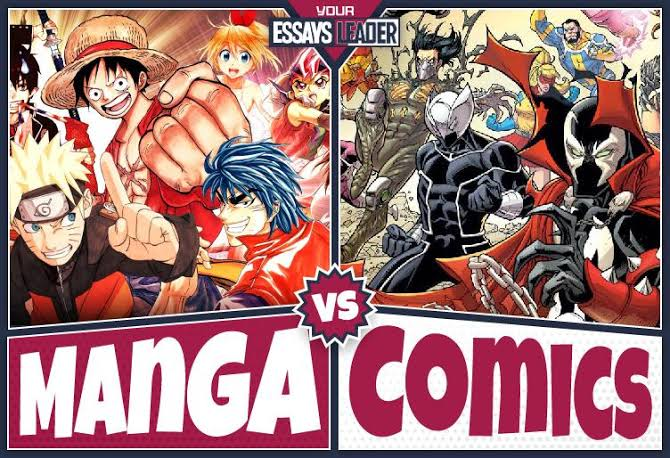
Stories have always been a powerful way to explore ideas, emotions, cultures, and imagination. Among the many forms of storytelling available today, Comic & Manga continue to attract readers of different ages and backgrounds. Although comics and manga have distinct artistic traditions and storytelling styles, both combine words and visual art to create engaging biddynamic.com experiences. From action and adventure to romance, comedy, science fiction, and fantasy, there is a wide variety of stories for almost every interest.
Understanding Comics and Manga
Comics are sequential art stories that use illustrations, dialogue, captions, and visual effects to communicate a narrative. They can appear in many formats, including traditional comic books, graphic novels, newspaper strips, and digital publications. Different countries have developed their own comic traditions, resulting in a broad range of artistic styles and storytelling techniques.
Manga is the Japanese term commonly used for comics and graphic storytelling. Manga covers numerous genres and is created for different audiences. Some manga focus on young readers, while others explore mature themes, complex characters, historical settings, or imaginative worlds. One characteristic often associated with manga is its distinctive visual presentation, although modern manga can vary considerably in artistic style.
Both formats demonstrate how visual storytelling can communicate information and emotion efficiently. A single illustration can reveal a character’s expression, environment, movement, or mood without requiring a long written description.
Why Visual Storytelling Is So Engaging
One of the biggest strengths of comics and manga is the combination of visual and written storytelling. Readers do not simply process paragraphs of text; they also interpret facial expressions, body language, backgrounds, panel arrangements, and artistic details.
Panels help control the pace of a story. Several small panels can create a feeling of rapid movement, while a large illustration can give an important scene greater impact. Speech bubbles communicate dialogue, whereas captions can provide additional information about time, location, or a character’s thoughts.
This combination makes visual storytelling particularly immersive. Readers can understand what is happening while also imagining sounds, movement, and atmosphere. The artwork gives each story its own identity and allows artists to communicate ideas in creative ways.
A Wide Variety of Genres
The popularity of Comic & Manga is partly connected to the enormous number of genres available. Readers can find stories based on nearly every major storytelling category.
Action and adventure titles often feature exciting conflicts, challenging journeys, and memorable heroes. Fantasy stories may introduce magical worlds, mythical creatures, and unusual civilizations. Science fiction can explore futuristic technology, space travel, artificial intelligence, and alternative societies.
Comedy provides lighthearted entertainment through amusing characters and situations. Mystery stories encourage readers to examine clues and solve problems alongside the characters. Romance focuses on relationships and emotional development, while historical stories can introduce readers to different periods and cultures.
Because the medium covers so many genres, readers are not limited to one particular type of experience. Someone who enjoys fantasy can find imaginative worlds, while another reader may prefer realistic drama or educational stories.
The Importance of Characters
Strong characters are one of the most important elements of successful comics and manga. Readers often continue following a series because they become interested in the personalities, challenges, goals, and relationships of its characters.
A compelling character does not necessarily need to be perfect. Characters with weaknesses, mistakes, fears, and personal challenges can feel more relatable. Their development throughout a story can also create a sense of progression.
Visual design contributes significantly to characterization. Clothing, hairstyles, expressions, posture, and other artistic choices can communicate personality before a character even speaks. As the story develops, these visual details can become closely associated with particular characters.
Art and Creativity
The artwork in comics and manga is much more than decoration. It is an essential part of storytelling. Artists use composition, perspective, lighting, facial expressions, and panel layouts to influence how readers experience a scene.
Different artists may approach the same type of story in completely different ways. Some prefer detailed backgrounds and realistic proportions, while others use simplified designs and expressive characters. Manga can also make extensive use of visual symbols and stylized expressions to communicate emotions.
Digital drawing tools have expanded creative possibilities even further. Artists can now create, edit, organize, and publish artwork using specialized software and tablets. This has made it easier for independent creators to experiment with different styles and share their work with audiences.
Print and Digital Reading
Traditionally, readers purchased printed comic books, collected manga volumes, or visited libraries and bookstores. Today, digital technology has changed how people discover and read visual stories.
Digital editions can be accessed through computers, tablets, and smartphones. Online platforms allow readers to discover independent creators as well as established series. Digital publishing can also provide opportunities for artists who may not have access to traditional publishing channels.
At the same time, physical books remain popular among collectors and readers who enjoy owning printed editions. Shelves filled with favorite volumes can become personal collections that reflect a reader’s interests.
Comics and Manga as Cultural Experiences
Comics and manga can introduce readers to different cultures, traditions, social ideas, and historical perspectives. Manga in particular has become an important part of global popular culture, with readers outside Japan developing strong interest in Japanese storytelling and art.
International audiences have also influenced the medium. Artists around the world create works inspired by different visual storytelling traditions while incorporating their own cultural experiences. As a result, modern visual storytelling is increasingly diverse.
This cultural exchange allows readers to discover unfamiliar ideas through entertaining stories. It can also encourage interest in languages, history, art, and international media.
The Rise of Independent Creators
The internet has made it possible for individual artists and writers to publish stories without relying entirely on traditional publishing systems. Independent creators can release webcomics, digital manga, short graphic stories, and serialized projects online.
Social media and creator platforms can help artists build audiences by sharing illustrations, character designs, previews, and completed chapters. Readers can provide feedback, recommend stories to others, and support creators directly.
This environment has encouraged experimentation. New creators can explore unusual formats, storytelling structures, and artistic styles without necessarily following conventional publishing expectations.
Building a Personal Reading Experience
With so many choices available, readers can develop collections based on their personal interests. Some may prefer long-running adventures, while others enjoy short stories that can be completed quickly. Some readers focus heavily on artwork, whereas others are more interested in character development and plot.
Exploring different genres can also help readers discover unexpected favorites. A person who usually reads action stories might eventually enjoy a mystery series, while someone interested in comedy may discover an engaging fantasy adventure.
Keeping track of favorite titles, characters, artists, and genres can make the reading experience even more enjoyable. Collectors may also appreciate special editions, artwork, and physical volumes.
The Future of Comics and Manga
The future of comics and manga is likely to continue evolving alongside technology. Digital publishing, mobile reading, online communities, and new creative tools are opening additional possibilities for writers and artists.
Interactive storytelling may also influence how readers experience visual narratives. Creators can experiment with animation, sound, scrolling formats, and other digital features while still maintaining the essential relationship between art and story.
Despite these changes, the fundamental appeal remains the same: people enjoy discovering interesting characters, following meaningful journeys, and entering imaginative worlds.
Conclusion
Comic & Manga represent a remarkable combination of literature and visual art. Their ability to communicate stories through illustrations, dialogue, expressions, and creative layouts makes them accessible and engaging for a wide range of readers. With countless genres, artistic styles, characters, and storytelling approaches, the medium continues to evolve while maintaining its timeless appeal.
Whether someone enjoys printed collections, digital chapters, independent creations, fantasy adventures, realistic drama, or humorous stories, comics and manga offer countless opportunities for entertainment and imagination. As technology creates new ways to create and share visual stories, this form of storytelling will continue to connect artists and readers around the world.